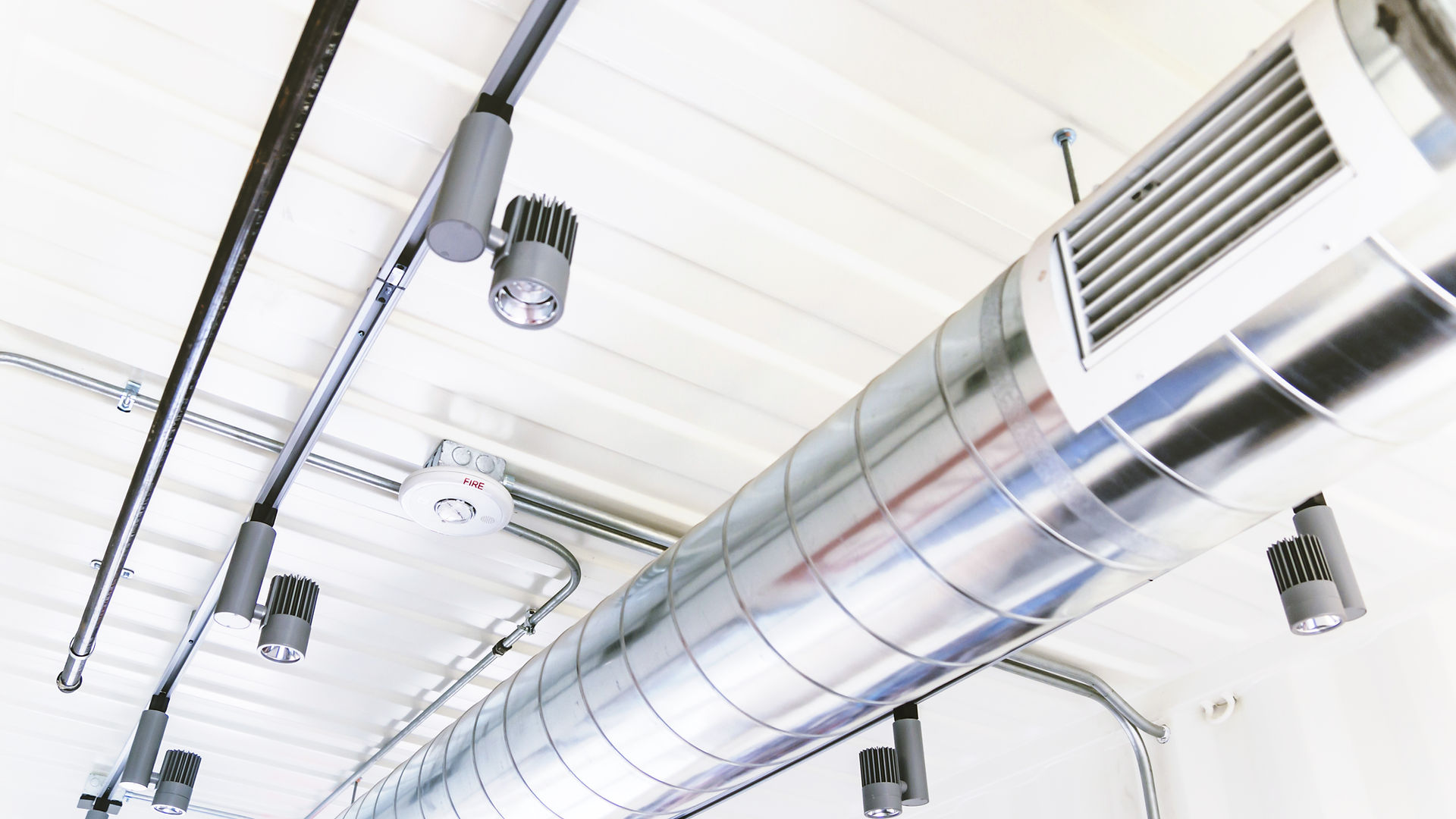
What is fire stopping?
Fire stopping is the sealing of gaps and service penetrations — pipes, cables, ducts and structural joints — that pass through fire-resisting walls and floors, so a compartment retains its fire resistance.
It is a core element of passive fire protection: built into the structure and always working, with no need to activate.
Why does compartmentation fail?
Compartmentation is most often breached by later building works — new cabling, plumbing or maintenance that punches through a fire barrier without reinstating it.
These breaches usually hide above ceilings and inside risers, which is why a survey almost always precedes effective fire stopping.
How do you certify completed fire stopping?
Each seal is installed to the tested system's specification and recorded with photographs and product data, giving a clear, auditable record of where and how compartmentation has been reinstated.
Key terms explained
- Passive fire protection
- Built-in protection (compartmentation, fire stopping, fire doors) that contains fire without needing to activate.
- Compartmentation
- Dividing a building into fire-resisting compartments to limit the spread of fire and smoke.
- Service penetration
- A pipe, cable or duct passing through a fire-resisting wall or floor that must be fire-stopped.